Last updated: October 26, 2026
Quick answer: use a three-step pass to fact-check AI writing before publishing—mark claims, verify each one against a source, and cut or rewrite anything unsupported. In practice, this can take 30 minutes for a short post, but only if the review stays disciplined and focused on how to fact-check AI writing before publishing.
Key Takeaways
- Use the draft, a claim-marking method, and at least one source for every important fact.
- Check each AI-written claim against a source, then cite, rewrite, or remove it.
- Numbers, dates, and attribution need the closest scrutiny because they can look right and still be wrong.
- Raise the proof standard for dates, recency, and sensitive topics instead of trusting the model to guess what is current.
AI text is fast, not trustworthy by default. It can mix true facts with outdated dates, invented quotes, vague claims, and numbers that look precise because the model sounds certain. When you fact-check AI writing before publishing, treat the draft like a witness statement: useful, but not evidence.
What a fact-checking workflow needs before you start
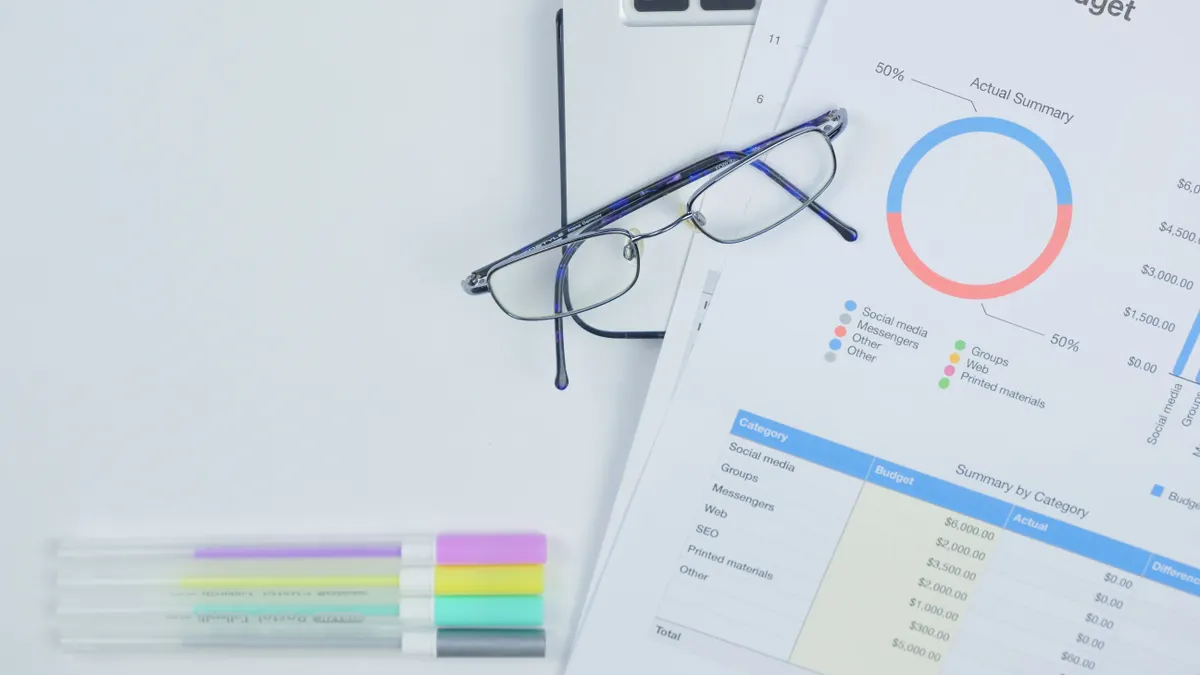
A fact-checking workflow needs three things before I would trust it: the published draft, a way to mark claims, and at least one source for each factual line that matters.
Start with the draft in a clean editing view, not inside a chat thread. That matters because you need to see the final wording exactly as it will appear on the page. If a sentence says a product launched in 2024, or a policy changed in June, that is a claim that needs a source. If a sentence says the tool “helps writers save time,” that may be marketing language rather than a checkable fact, but it still deserves scrutiny if it appears beside a number or a named standard.
To fact-check AI writing before publishing, split the draft into four buckets:
- hard facts, such as dates, names, prices, measurements, and standards;
- claims about cause, effect, or performance;
- quotes and attributed statements;
- sensitive statements about health, finance, law, or safety.
You do not need special software for this first pass. A simple comments system in Google Docs, Word Track Changes, or even highlighted text works. The point is to make the claims visible before you start hunting for proof.
A generic article often misses one important distinction: not every sentence needs the same depth of checking. “The product has a 14-day trial” needs a source, while “many teams use AI drafts to speed up first passes” may need support only if it is presented as a factual claim, not a loose observation. The workflow gets better when you decide early what counts as a claim and what counts as opinion.
One rule saves time: if a sentence would feel risky in a client email, it needs verification in a published draft. That is the threshold, not whether the sentence sounds polished.
How do I verify AI-generated claims?
I verify AI-generated claims by checking each one against a source, then replacing anything unsupported with either a citation, a rewrite, or removal.
Here is the core procedure, in the order I use it:
-
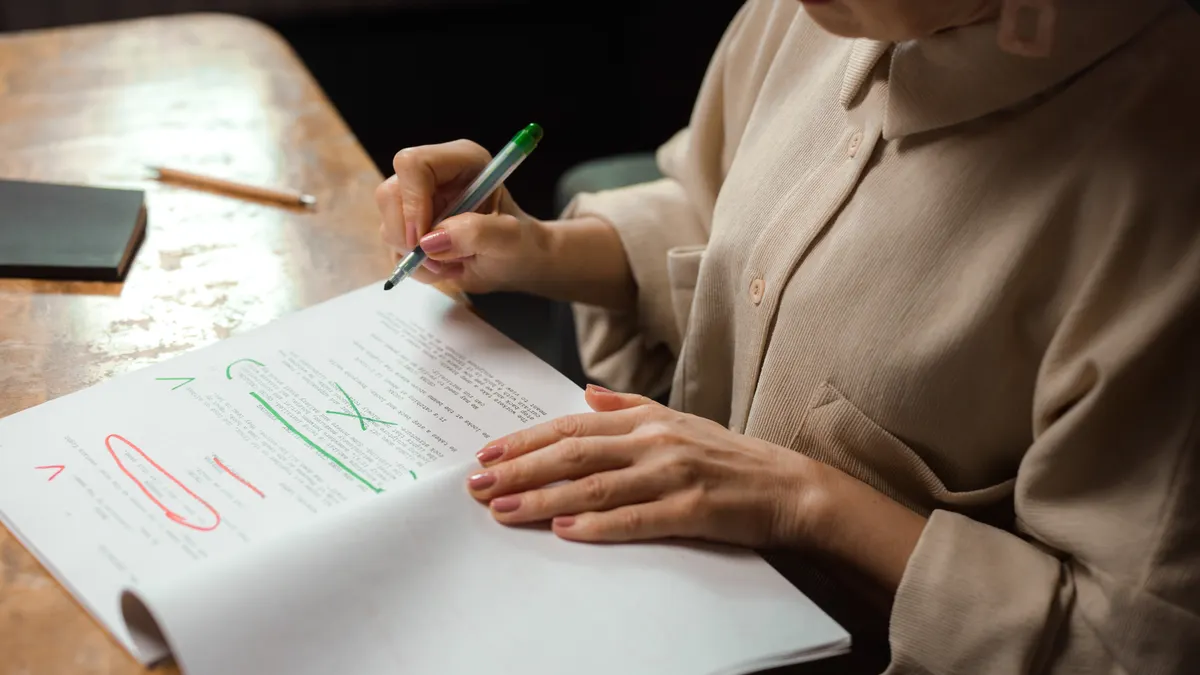
Mark every factual sentence in the draft.
Scan the whole piece once and highlight dates, names, numbers, product features, historical references, and statements that sound measurable. A 1,000-word article often contains far fewer factual claims than it seems, but the important ones are usually clustered in the same 5 to 10 paragraphs. When this step works, the draft looks visibly messy, which is good. -
Put each claim into a simple list.
Use a three-column sheet: claim, source, status. Keep the claim in the exact wording from the draft. If the sentence says “Most editors catch this in one pass,” write that, not a softened version. The result should be a list you can audit in 10 minutes, not a pile of scattered notes. -
Check the easiest claims first.
Verify names, product specs, publication dates, and definitions before you touch the harder statements. These usually have obvious sources on an official site, a standards body, or a primary document. When this step works, you will clear a chunk of the draft quickly and know where the real risk sits. -
Trace every important claim back to a source you can name.
For a product feature, look for the vendor’s documentation. For a standard, check the standards body or the organization that owns it. For a process claim, look for a reputable guide or an original document, not a paraphrase of a paraphrase. If you cannot point to the source in one sentence, the claim is not ready. -
Decide what to do with anything unverified.
If the claim matters, replace it with something you can support. If it does not matter, cut it. If the wording is broad but the idea is sound, narrow it. A vague line like “AI writing improves content quality” is weaker than a precise line that names what improves and under what condition. -
Run a second pass for consistency.
Make sure the rewritten sentences still match the surrounding paragraph. This is where writers often introduce a new claim while fixing the old one. A clean draft should read like one voice, not a patchwork of rescued sentences.
The best sign that this process worked is boring: every important statement now has a source, and nothing in the draft depends on the model’s confidence alone.
Which statements deserve extra scrutiny before publication?
Statements with numbers, dates, and attribution deserve extra scrutiny because they are easy for AI to get almost right and still get wrong.
I would put these at the top of the review list:
- Statistics and percentages. Even one wrong percentage can change the meaning of a paragraph. If a draft says “80%,” check the original source, not a summary. If you cannot find the exact figure, rewrite the sentence without the number.
- Dates and timelines. AI often confuses launch dates, update dates, and publication dates. A sentence about a 2023 policy, a 2024 release, or a “recent” change needs a source with a visible date.
- Quotes. Never trust a quote because the wording sounds polished. Check the original interview, transcript, press release, or speech. If the quote cannot be found verbatim, delete it or paraphrase without quotation marks.
- Attribution. “Experts say” and “studies show” are weak until the expert or study is named. Anonymous authority is where fabricated certainty often hides.
- Claims about rankings or uniqueness. Words like “best,” “only,” and “first” are dangerous unless the draft cites a current, checkable comparison and the comparison still holds.
- Technical terms and standards. If the draft mentions ISO, NIST, APA, GDPR, or another formal standard, make sure the term is used correctly and in the right context.
This is where a generic editing pass fails. It may catch typos, but it will miss a false date hidden inside a polished paragraph. It will also miss a quote that looks real because it is grammatically neat. AI writes in fluent English, and that fluency can hide weak evidence.
A useful habit is to ask one question for every suspicious line: “What would I need in hand to defend this sentence to an editor?” If the answer is not a source, the line is not done.
How to check sources, citations, and quote accuracy
I check sources, citations, and quote accuracy by matching the claim to the right kind of original document, then making sure the citation and the draft say the same thing.
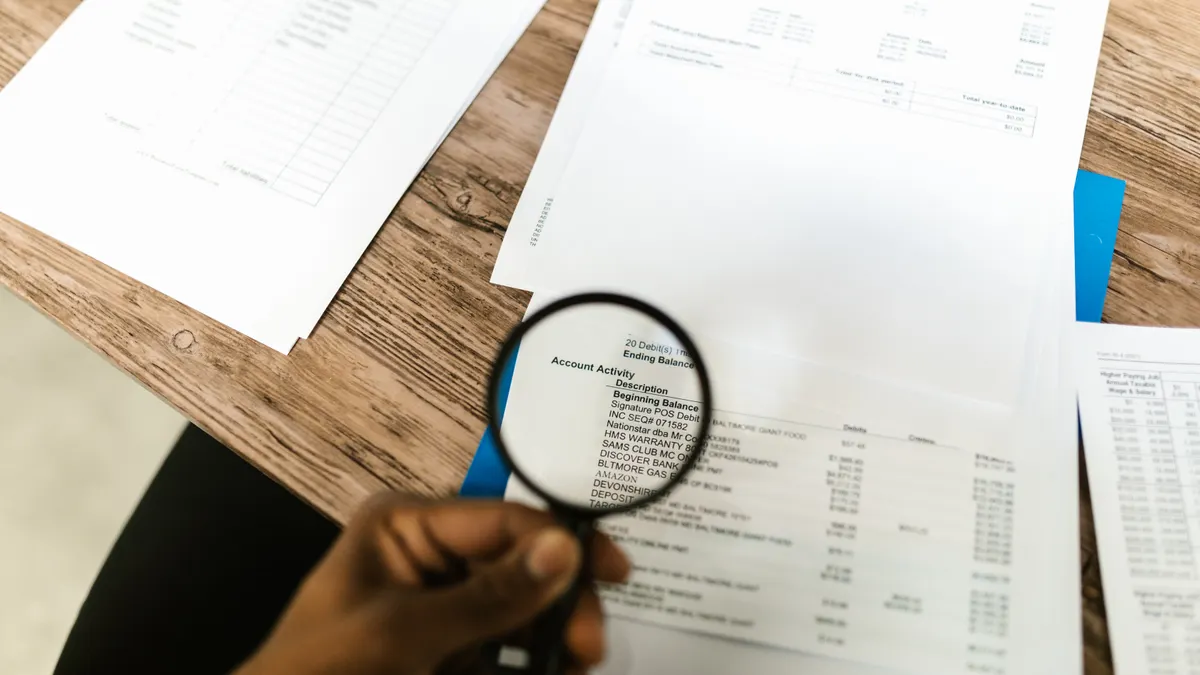
The source has to fit the claim. A vendor blog is fine for a product feature. A peer-reviewed summary is better for a research claim. An original transcript is better for a quote than a news article that quoted someone else. If the source and the claim are a mismatch, the citation may look clean while the fact remains shaky.
Use this order:
- Find the original source, not a middle layer.
- Confirm the date on the source.
- Confirm the exact wording or data point.
- Compare the source to the sentence in the draft.
- Fix the draft if the source says something narrower or older than the AI text does.
Citations need the same attention. A source can be real and still be cited badly. The draft may attribute a fact to the wrong organization, use a stale link, or cite a page that does not actually support the sentence beside it. If the citation looks impressive but does not back the claim, it fails.
For quotes, I would check three things every time:
- the speaker’s name and title;
- the exact words inside quotation marks;
- the context around the quote, including what came before and after it.
A quote can be technically accurate and still misleading if the surrounding sentence turns it into a different point. That is why the quote itself and the framing sentence both need review.
One practical source check I would not skip is the publication date on the source page. A guide from 2021 can still be valid, but a claim about a fast-moving platform or policy may have changed since then. If the date matters to the claim, make the date visible in the draft.
For deeper guidance on citation handling, the Purdue OWL is a dependable reference for citation basics, and the APA Style site is useful when the draft follows APA conventions. Those are citation systems, not fact-checking substitutes, but they help keep attribution clean.
How to handle dates, recency, and sensitive topics
I handle dates, recency, and sensitive topics by raising the proof standard, not by trusting the model to infer what is current.
AI writing often sounds current while being stale. A sentence that says “recently” is useless unless it names the month or year. A sentence that says “the latest version” is incomplete unless it says which version and when it was released. For anything tied to a moving target, such as software, policy, or regulations, I would rather see an exact date than a vague freshness claim.
This matters even more in sensitive topics. Health, finance, and legal content can carry real harm if a factual error slips through. In those areas, the safest rule is to verify against primary or professional sources and, when the draft makes advice-like claims, have a qualified professional review it before publication. I would not publish a health, finance, or legal claim just because the wording sounds careful.
The same caution applies to safety instructions. If a draft tells readers how to use equipment, handle chemicals, manage money, or respond to risk, the margin for error is small. A mistake in a harmless blog sentence may cost credibility; a mistake in a safety-related sentence can cost much more.
A common failure here is date drift. The draft may say a statute, policy, app update, or recommendation is current when the source has already changed. The fix is not to keep the sentence and hope readers do not notice. The fix is to attach the specific date or remove the recency claim entirely.
This is also where the question of “who this is not for” matters. If the article is about a sensitive subject and the writer does not have current source access or subject-matter review, the draft is not ready for publication. A clean style cannot rescue stale or risky facts.
Common mistakes that let bad facts through
The most common mistake is checking only the parts of the draft that sound uncertain, while skipping the polished lines that sound authoritative.
That creates two problems. First, the most confident sentence can be wrong. Second, a clean paragraph can hide one bad fact that changes the whole meaning. If the draft says an event happened in 2022 instead of 2023, readers may lose trust even if the rest of the piece looks polished.
Other mistakes cost time and credibility in different ways:
- Trusting a citation because it exists. A link is not proof if it does not support the exact claim. The fix is to read the source line by line.
- Accepting a quote because it sounds plausible. Plausible is not a standard. The fix is to find the original wording or remove the quote.
- Leaving vague claims untouched. “Many,” “most,” and “significant” are slippery words. The fix is to either quantify them with a source or rewrite them as qualitative statements.
- Confusing style edits with fact checks. Grammar can be perfect and the fact can still be wrong. The fix is to keep the two passes separate.
- Skipping a final read after edits. When a sentence changes, its surrounding facts may shift too. A 5-minute final pass catches problems introduced during cleanup.
I would treat these mistakes as a cost problem, not just an accuracy problem, and I would ask a professional when the topic is health, finance, or law. Every unsupported line forces a later correction, and corrections consume time that should have been spent publishing. A slower, more careful first pass is cheaper than a public fix.
One useful standard here is simple: if a sentence would need a correction notice tomorrow, it needs a source today. That standard is stricter than casual editing, but it is the right one for published draft work.
A practical before-publish checklist for AI writing
I use a final checklist because memory is unreliable when the draft is nearly done and the wording sounds good.
Before publishing, confirm these points:
- Every date, name, and number has a source.
- Every quote matches the original wording.
- Every citation supports the sentence beside it.
- Every “best,” “only,” or “first” claim is backed by a current, checkable source.
- Any sensitive claim has been reviewed with extra care.
- Any unsupported sentence has been rewritten or cut.
- The final draft still reads cleanly after corrections.
That checklist works best in the last 10 to 15 minutes of the process. It is not a substitute for the line-by-line fact check above it. It is the last barrier before publication.
The page you are reading fits the broader editing AI content workflow, but fact-checking is its own step and should not be buried inside proofreading. Proofreading catches surface errors. Fact-checking catches false ones. Those are different jobs, and the published draft needs both.
What parts of AI writing need fact-checking?
Any sentence that contains a date, name, number, quote, or claim about cause and effect needs fact-checking first.
That includes product details, definitions, rankings, and anything that sounds precise enough to be true. A smooth sentence is not evidence. If the draft makes a statement that a reader could verify elsewhere, I treat it as a claim and check it before publication.
How do I verify AI-generated claims?
I verify AI-generated claims by isolating each one, finding the original source, and matching the source to the draft sentence before publication.
Drafted with AI; not yet reviewed by a person.